
SBA 504 Success Story
When Martin Faith arrived in Colorado from Scotland to start Scottish Stained Glass, a future SBA 504 success story, he didn’t come with startup funding or a business plan. He and his wife had two suitcases, limited savings, and—on the very first day they landed in the U.S.—the news that they had a new baby on the way. A recent financial crisis in Scotland had wiped out the assets he once owned, leaving him to start over from scratch. But what he did have was an artist’s eye, a collection of antique stained-glass windows he had rescued from historic Scottish churches, and the determination to rebuild. This would lead him to become the 2026 SBA Colorado Small Business Person of the Year Winner.
A business built one window at a time
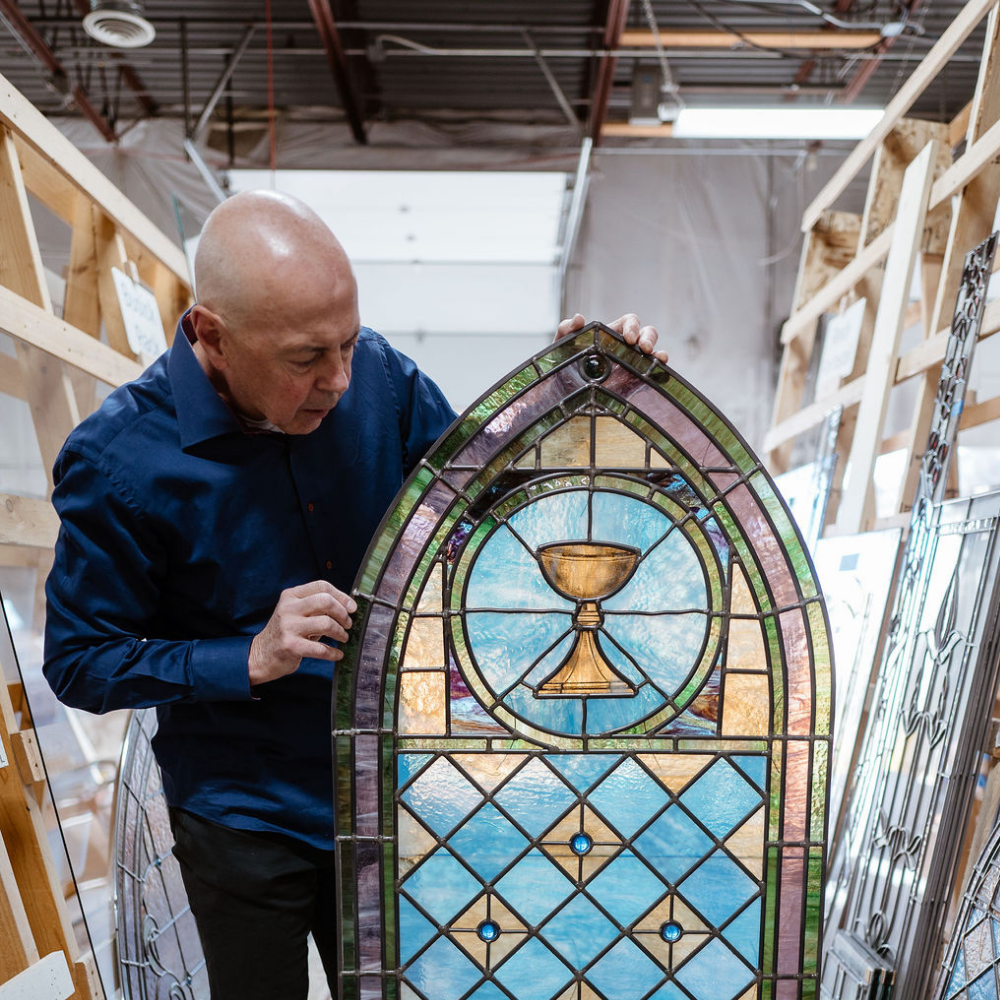
With no capital to buy equipment or inventory, Martin started restoring the salvaged Scottish windows by hand in a small shed while caring for his newborn son. He sold each piece individually—placing classified ads, borrowing cars for deliveries, and reinvesting every dollar back into the work. It would take nearly ten years before he could afford to take a salary, but slowly, Scottish Stained Glass took shape. What began as one craftsman restoring antiques became a trusted local studio known for design quality, artistry, and customer care.
Over the next three decades, Scottish Stained Glass expanded beyond Colorado, serving homeowners and commercial clients across more than 40 states. From large-scale historic restorations in places like Hawaii, New York, and California to custom installations for residential and commercial spaces, the company became the go-to studio for both modern stained-glass design and highly technical restoration work—often the kind of projects only a handful of studios in the country can take on.
The SBA loan that unlocked the next stage of growth
In 2021, Martin found the right building: a 25,000-square-foot facility that could finally accommodate the company’s growing team and equipment needs. An SBA 504 loan with B:Side Capital and InBank allowed him to purchase the building without draining the business’ cash reserves, a transformative benefit to the bottom line.
With the new facility, Scottish Stained Glass:
- Doubled its size within three years
- Expanded its team
- Took on more large-scale restoration projects nationally
- Invested in equipment, training, and improved workflow
- Installed a full rooftop solar array, allowing the building to produce more energy than it uses
A small business creating big economic and community impact
Despite its reach, Scottish Stained Glass remains a true small business at heart. The company designs, builds, and restores every piece in the United States, sourcing nearly all materials domestically and employing skilled artisans who carry forward a craft that’s increasingly rare. As the business expands, so does the economic ripple effect: local contractors, transportation partners, installers, and suppliers all benefit from the company’s growing workload.
Inside the Denver headquarters, Martin is building something beyond a workshop—a museum-style stained-glass gallery. The space showcases historic windows he salvaged decades ago in Scotland, and will soon feature work from stained-glass artists across the country, creating a dedicated venue to preserve and promote the craft. It’s a long-term, community-minded investment in the future of the art form.
A business shaped by resilience and steady growth
Scottish Stained Glass is a small business that rebuilt from difficult circumstances and has grown into a reliable source of skilled jobs and U.S.-based craftsmanship. Through careful decision-making and consistent reinvestment, Martin has strengthened a company that now supports local economies, trains new artisans, and completes specialized stained-glass work that few studios in the country can match.
His advice to other entrepreneurs is simple. “Protect your cash. Use tools like SBA financing for major purchases so you can invest your own funds in growth—hiring, marketing, and building capacity. It’s much easier to take smart risks when you’re not overextended.”